Dystonia
What is dystonia?
Dystonia is a neurological movement disorder where muscles contract involuntarily. These contractions can be sustained or intermittent and may cause twisting movements, abnormal postures, tremor, or pain. Dystonia is not caused by muscle weakness or damage, but by altered signals between the brain and muscles.
Dystonia can be task-specific, meaning it appears mainly during certain activities, or postural, meaning it affects how the body or face is held at rest.
Cervical dystonia (neck dystonia)
Cervical dystonia affects the muscles of the neck and shoulders. It may cause the head to: - Turn to one side (rotation) - Tilt to one side (lateral flexion) - Pull forward or backward - Shake or tremor
Common symptoms
Neck pain or tightness.
Head pulling or twisting that feels hard to control.
Head tremor.
Fatigue or headache.
Difficulty holding the head comfortably in neutral.
Embouchure dystonia (orofacial task-specific dystonia)
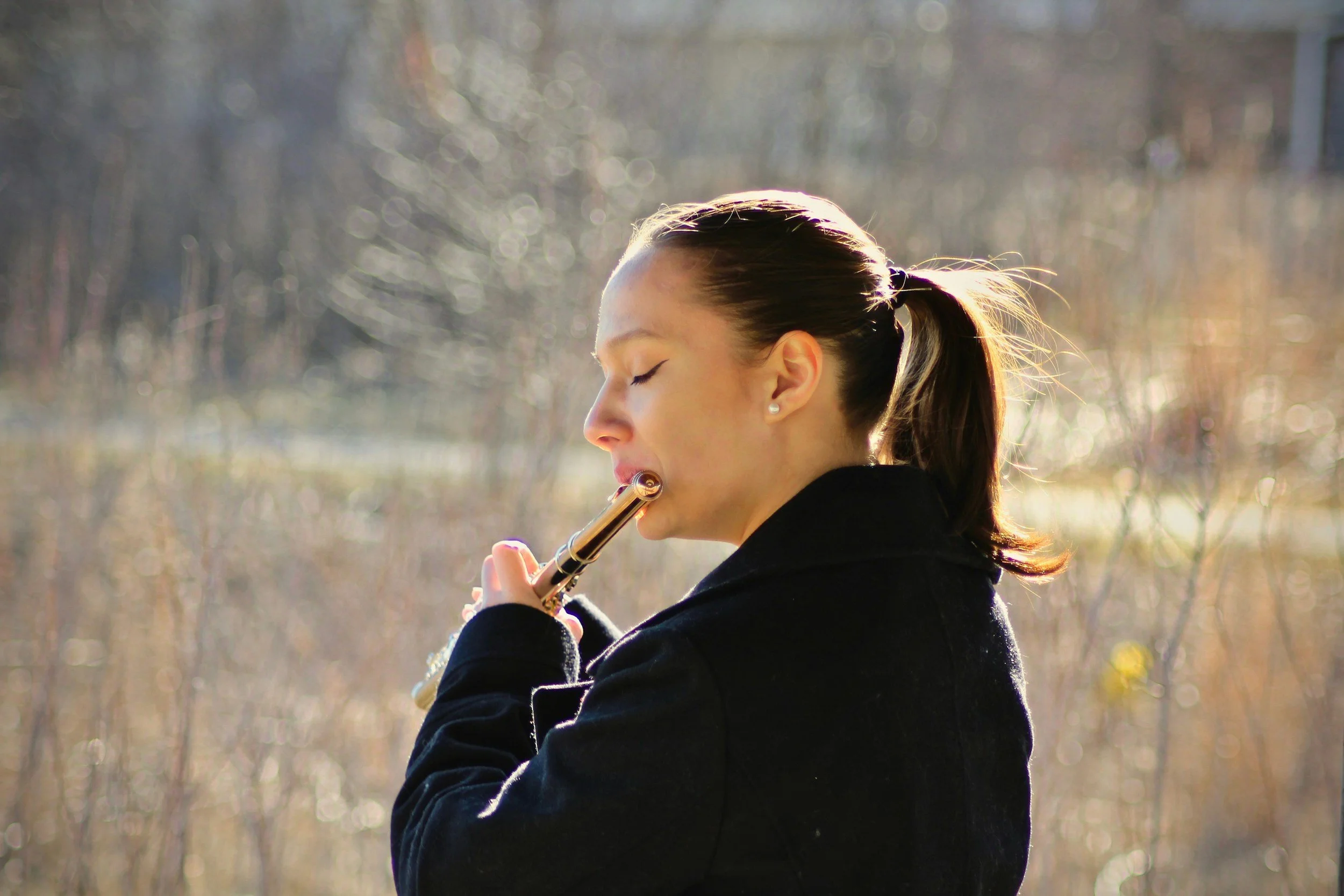
Embouchure dystonia is a task-specific dystonia affecting the muscles of the lips, jaw, tongue, and lower face. It is most commonly seen in musicians who play brass or woodwind instruments, but it can also affect speech, whistling, or other precise mouth movements.
Common symptoms
Loss of control or coordination of the lips or tongue.
Involuntary pulling, curling, or tightening of the lips.
Air leakage when playing or speaking.
Jaw deviation or clenching during tasks.
Symptoms that are minimal at rest but appear during playing or speaking.
Importantly, embouchure dystonia is not a loss of skill or practice-related problem. It reflects altered motor control in the brain.
*If your problem mainly involves your tongue, this is where we ask our amazing speech pathologist colleagues for help! Let us know and we can recommend some great speech pathologists.
How physiotherapy can help
Physiotherapy for dystonia is different from standard strengthening or stretching programs. Treatment focuses on retraining the nervous system, not forcing muscles to relax or strengthen.
Key principles of therapy
Improving awareness of posture, movement, and muscle activity
Reducing excessive or compensatory muscle activation
Restoring more efficient, coordinated movement patterns - for musicians we will often get you to bring in your instrument and show us what you need to be able to achieve so we can work out how to achieve it.
Supporting the brain to relearn control through repetition and precision
Progress is often gradual, not immediate
Symptoms may fluctuate from day to day
Load management and pacing like we usually see in sports rehab is discussed as part of a graded return to the task.
Many people benefit from a multidisciplinary approach, including neurology, physiotherapy, psychology, and (for musicians) specialist music educators.