Ramsay Hunt Syndrome
Ramsay Hunt Syndrome occurs when the varicella-zoster virus (the same virus that causes chickenpox and shingles) attacks the facial nerve. It affects 2-5 people per 100 000 per year. The recovery is slow and more challenging than Bells. Complete recovery rates without exposure to appropriate medication are between 16-22%, with antivirals and steroids within the first 72hrs this complete recovery rate increases to around 75%.
This can cause:
Paralysis on one side of the face.
Ear pain - This can be severe pain and can extend into the face.
A blister-type rash in or around the ear, or mouth. Sometimes the vesticles can be hard to see or in some cases may not appear.
Changes in taste.
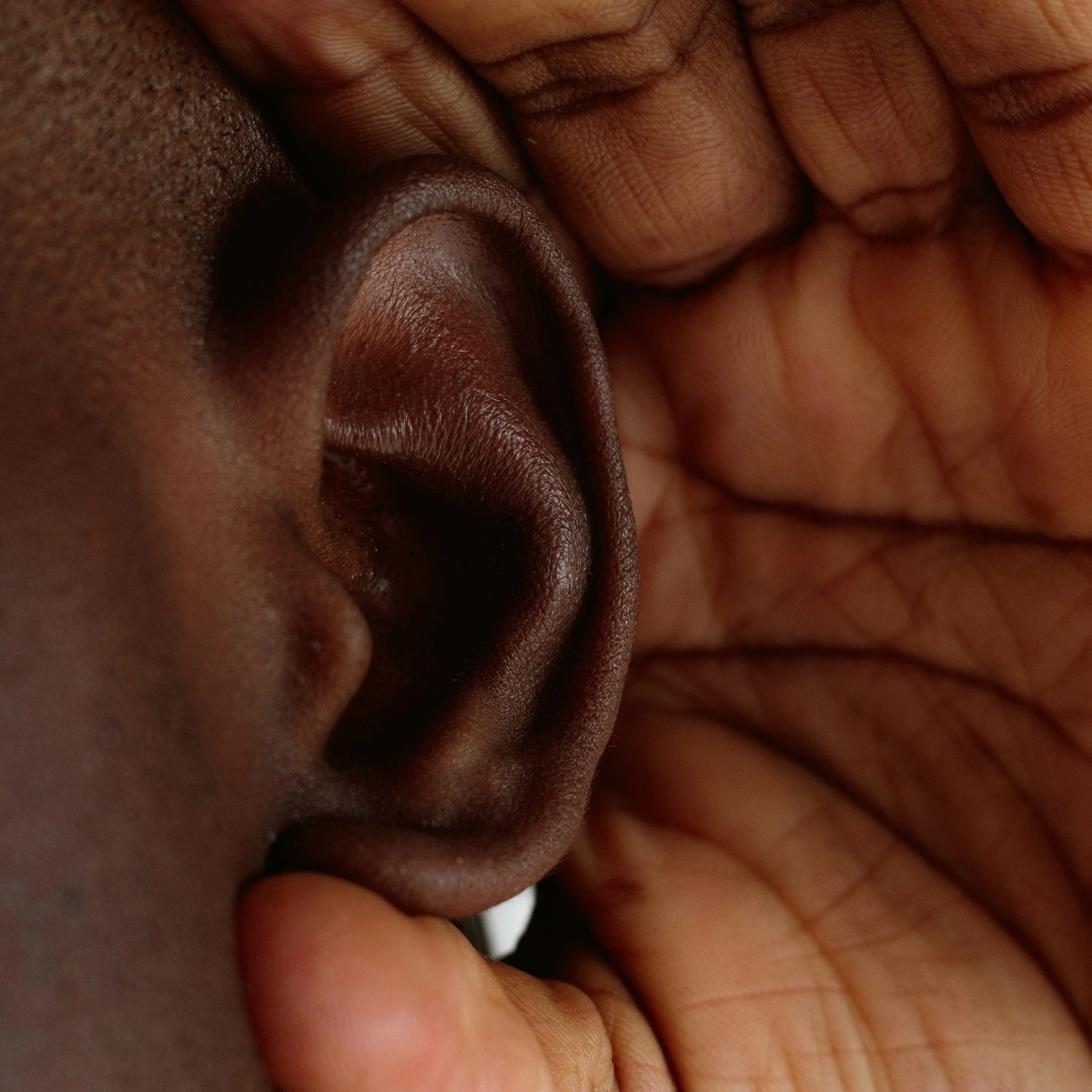
Loss of hearing and or hypersensitivity to sound (hyperacusis).
Dizziness or balance issues (Vertigo).
There is nothing you did wrong or could have done to avoid getting this, it was rotten luck!
You need to see a Doctor!
Doctors typically prescribe:
Antiviral medication
Steroids to reduce inflammation
Pain relief as needed
Medication to help with vertigo symptoms in the acute stage
We need to flag hearing loss with an Ear Nose and Throat doctor (ENT) as early as possible to establish if it needs to be treated. They can do this early and effectively and salvage hearing.
This treatment is most effective when started as early as possible, ideally within 72 hours of symptoms starting.
How physiotherapy helps
Physiotherapy does not involve forcing the face to move. Instead, we focus on controlled, gentle, and purposeful work that helps the nerve reconnect to the muscles as it recovers.
Physio may include:
Education & self-care
How to rest your facial muscles and avoid overworking the “good” side
How to protect your eye (drops, taping, blinking strategies)
Tips for talking, eating, and facial comfort
Gentle movement retraining, when movement starts to return
Guided facial exercises to encourage natural, smooth movement
Techniques to reduce stiffness and maintain muscle flexibility, like massage and stretching
Later-stage coordination training
Precision movements (e.g., specific smile control)
Strategies to minimise synkinesis (unwanted linked movements like eye closing when smiling)
Work in with Facial nerve specialists for Botox or medical and surgical help as needed
Eye care is essential
If your eyelid isn’t closing properly: (see our bells palsy section too)
Use daytime eye drops (artificial tears)
Use ointment at night
Wear protective glasses outdoors
Your physio or nurse can show you how to safely tape the eyelid for sleep
Protecting the eye prevents dryness, irritation, and long-term complications.
What you can do now
Rest and pace yourself—RHS is very fatiguing. Shingles is a big virus. Most people feel like they have more energy between 3-6 months.
Keep your face relaxed; avoid “forcing” movements
Follow your medication schedule
Keep your eye protected
Start only the exercises given by your facial physiotherapist
Stay hydrated and maintain good nutrition to support healing
Exercise - start slowly when you feel up to it